
ISSCR News

ISSCR Statement in Response to New NIH Policy on Research Using Human Fetal Tissue (NOT-OD-26-028)
The abrupt ending of NIH support for fetal tissue research will undermine the development of new therapies for diseases that affect American families. Research with human fetal tissue (HFT) and HFT-derived cell lines has been integral to biomedical progress for nearly a century and has long been supported on a bipartisan basis under many U.S. administrations. This research has contributed to fundamental advances in understanding human development, infertility, infectious diseases, and chronic and neurodegenerative conditions. HFT-derived cell lines have played a critical role in the development of vaccines that have saved millions of lives worldwide.
This research is also governed by a well-established ethical and legal framework that includes rigorous scientific review, robust informed consent, and prohibition of profit from tissue donation. While continued investment in alternative research models is important and should be encouraged, HFT remains a necessary tool for addressing certain research questions that cannot yet be adequately answered by organoids, tissue chips, and other emerging technologies.
The announcement of this immediate change to NIH policy without prior engagement with the scientific community and without advance notice for ongoing, peer-reviewed projects is highly disruptive. Engagement with researchers in advance of policy changes helps ensure that NIH’s decisions are grounded in the latest scientific evidence and that the agency is fully informed about which lines of research may be constrained or lost due to its changes in oversight. Immediate withdrawal of research support risks the loss of life-saving biomedical research and undermines responsible stewardship of public resources.
We urge reconsideration of this policy and call for NIH to engage constructively with the scientific community to support biomedical research that advances discovery and improves human health.
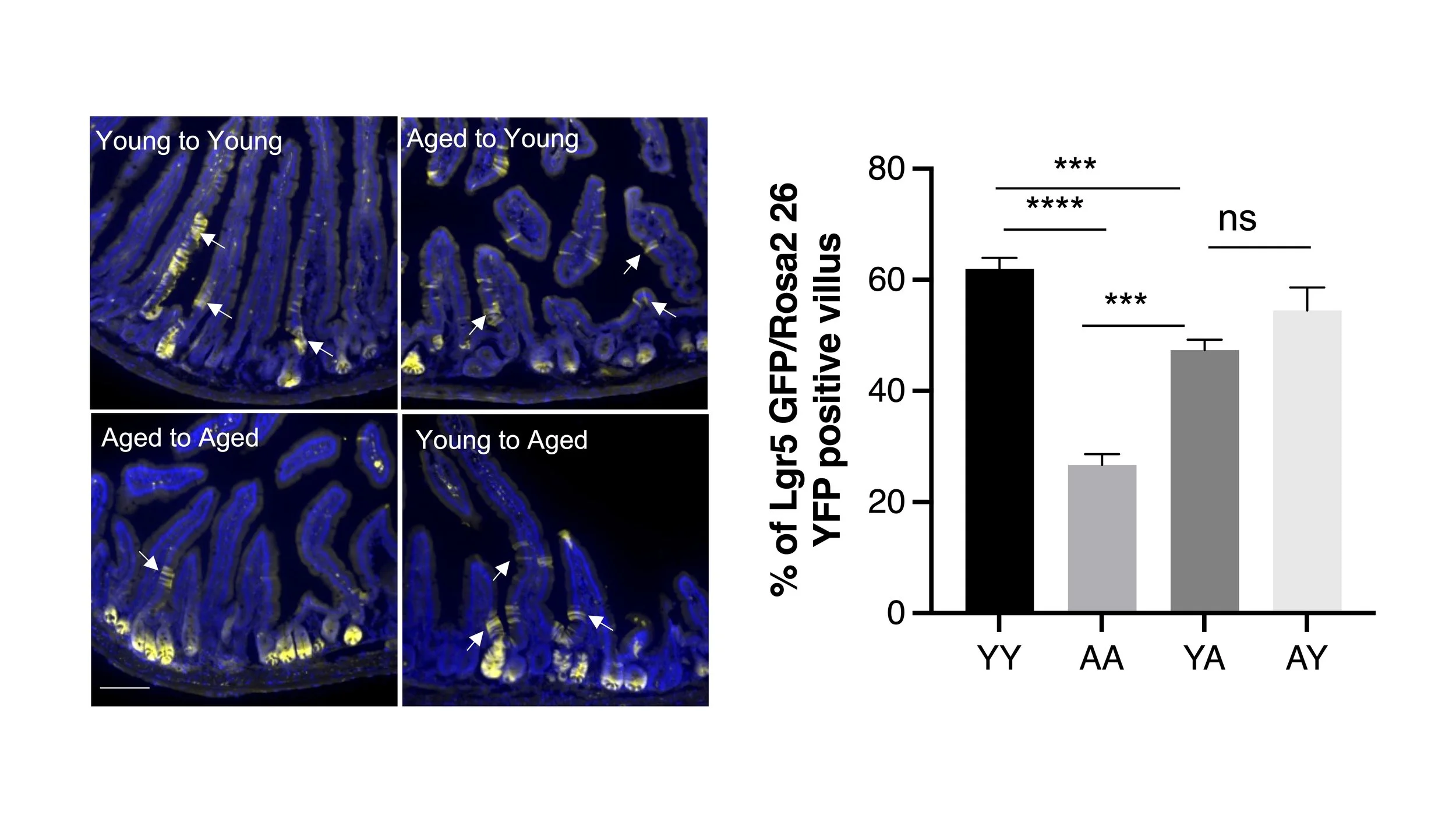
New Study Shows Gut Microbiota Directly Regulates Intestinal Stem Cell Aging
A new study led by Hartmut Geiger at the University of Ulm, Germany, and Yi Zheng and Kodandaramireddy Nalapareddy, Cincinnati Children's Hospital Medical Center (CCHMC), USA reveals that age-related changes in the gut microbiota directly impair intestinal stem cell (ISC) function and that restoring a youthful microbial environment can reverse this decline. The results were published today in Stem Cell Reports.
ISSCR Develops Roadmap to Accelerate Pluripotent Stem Cell-Derived Therapies to Patients
The International Society for Stem Cell Research (ISSCR) today announced the upcoming release of “Charting the Translational Pathway: ISSCR Best Practices for the Development of Pluripotent Stem Cell (PSC)-Derived Therapies,” a new paper highlighting some of the most critical aspects of the ISSCR’s breakthrough interactive resource designed to transform how PSC-derived therapies are developed, evaluated, and advanced toward clinical and commercial success. The paper was published today in Stem Cell Reports.
New Podcast Episode. Tuning the X.
Epigenetic regulation of gene expression is an important mechanism in development and disease. N6-methyladenosine (m6A) is one of the most prevalent epigenetic modifications for RNA and has been shown to play critical roles in processes such as embryo development, cancer, and stress responses. Our guests today investigate how m6A regulates X chromosome dosage compensation to ensure proper balance of gene expression from X chromosomes between sexes. X-chromosome dosage compensation is accomplished through two complementary mechanisms. First, X-chromosome inactivation (XCI) silences one of the two X chromosomes in female cells. Second, the remaining active X chromosome is transcriptionally upregulated so that its gene expression levels are balanced with those of the autosomes, a process known as X-to-autosome (X-to-A) compensation. The authors dissect the distinct contributions of m6A RNA methylation to XCI versus X-to-A compensation across multiple embryonic lineages, providing deeper insights into the epigenetic regulation of early development.
Stem Cell Reports Seeks Early Career Editors to Join the Editorial Board
Stem Cell Reports, the peer-reviewed, open-access journal of the International Society for Stem Cell Research (ISSCR), today announced a call for applications to serve on its editorial team, a prestigious opportunity for outstanding, early-career scientists to help shape the future of stem cell publishing. The deadline to apply is 13 March 2026.
Selected members will serve up to a three-year term beginning 1 September 2026, joining a cohort of distinguished early career researchers who will play an active role in the journal’s scientific vision and community engagement. The program is designed to provide hands-on editorial experience, mentorship, and professional visibility within the global stem cell research community.
Receive ISSCR Press Releases
Sign up be a part of ISSCR’s media list. Media Contact: Kym Kilbourne, Director of Media and Strategic Communications
Subscribe to ISSCR News.
Each month, ISSCR delivers scientific, policy, and community to your inbox .